 Skip to content

Root canals are one of the most common dental procedures, performed millions of times each year to save natural teeth and relieve pain. At Virginia Family Dentistry, our skilled endodontists specialize in root canal therapy, using advanced techniques to make the process as comfortable and effective as possible. Having endodontists within our practice means patients receive specialized care and can stay in a familiar setting, with seamless coordination between the general dentist and specialist.
What is a root canal?
A root canal is a common, straightforward treatment used to save a natural tooth when the inside becomes infected or damaged. Millions of root canals are performed each year to help preserve natural teeth and avoid the need for dental implants or bridges.
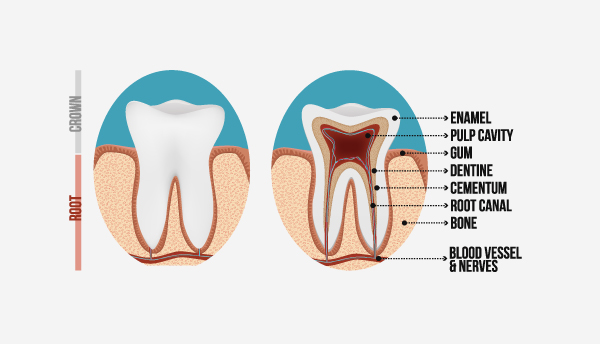
Inside every tooth is soft tissue called pulp, which contains blood vessels and nerves that support tooth development. Infection of the pulp can result from deep decay, cracks, trauma, or repeated dental work. Common signs include swelling, sensitivity to hot or cold, or pain in the tooth and gums. When these symptoms appear, a root canal is often recommended to gently remove the infection, relieve discomfort, and protect the natural tooth.
How is a root canal performed?
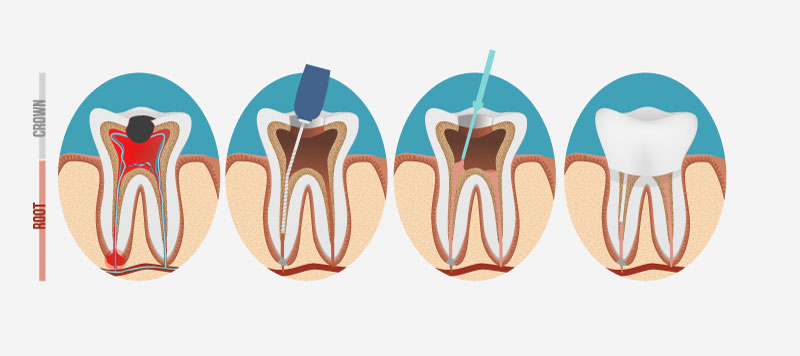
During the procedure, the endodontist numbs the area to ensure comfort. A small opening is made in the tooth so the infected or damaged pulp can be removed. The inside of the tooth is then cleaned, shaped, and disinfected before being sealed to prevent further issues. In most cases, a crown is placed after treatment to strengthen and protect the tooth, restoring it to full function and appearance.
How successful is root canal therapy?
Success for this type of treatment occurs in about 90% of cases. If your tooth is not amenable to endodontic treatment or the chance of success is unfavorable, you will be informed at the time of consultation or when a complication becomes evident during or after treatment. We use local anesthesia to eliminate discomfort. In addition, we will provide sedation if requested. You will be able to drive home after your treatment, and you probably will be comfortable returning to your normal routine.
What happens after root canal treatment?
Your restorative dentist will decide on what type of restoration is necessary to protect your tooth. When your root canal therapy has been completed, you should contact the office for a follow-up restoration within a few weeks of completion of the root canal. It is rare for endodontic patients to experience complications after routine endodontic treatment or microsurgery. If a problem does occur, however, we are available at all times to respond. To prevent further decay, continue to practice good dental hygiene.
Please follow the instructions given to you after treatment:
Post Root Canal Therapy Instructions
Post Endodontic Surgery Instructions
Why see an endodontist for root canal therapy?
Endodontists are dental specialists with advanced training focused on treating the inside of teeth, including root canal therapy and related procedures. Their expertise allows for precise care, often using specialized technology to treat even complex cases. Having endodontists as part of Virginia Family Dentistry provides patients with the convenience of receiving specialized treatment close to home, all while staying within the same trusted practice.